

Screening vs Diagnostic Tests
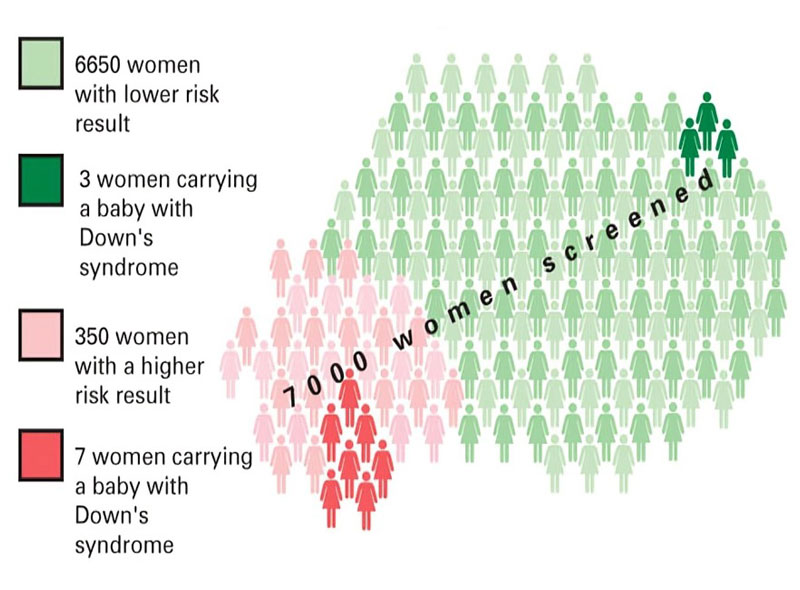
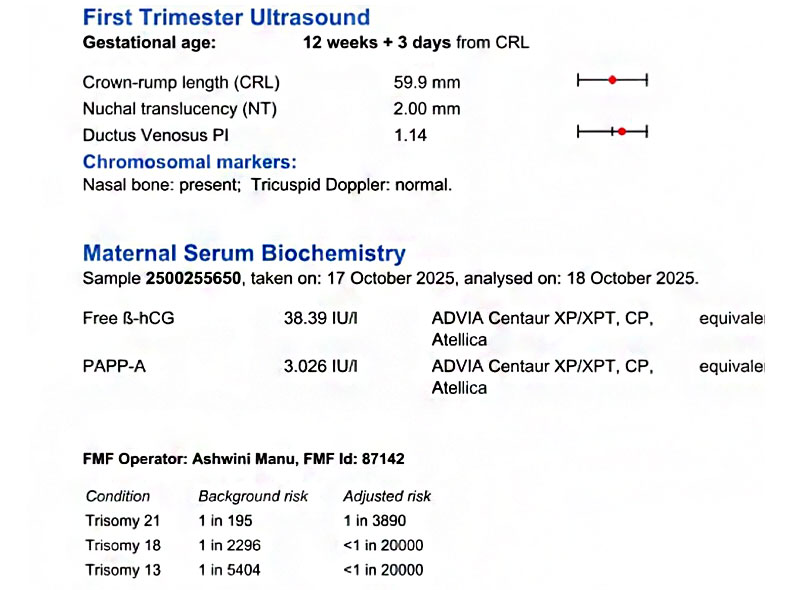
All women are offered screening tests in pregnancy. These could be to find risk of genetic abnormalities in the unborn fetus, risk of developing gestational diabetes or hypertension in later pregnancy etc. Majority screening tests are offered in the first trimester. Thereby allowing the obstetrician to classify the mother as “low risk” or “high risk” for the rest of the pregnancy.
Most talked about screening tests are the ones to find the risk of common genetic problems in the unborn baby; namely – NT scan with dual marker or Quadruple marker or NIPS (Non-invasive prenatal screening). Most important aspect of screening tests is to understand that they are just telling us the “possibility” or “probability” of a problem occurring based on the parameters tested and the software used. They are not confirmatory.
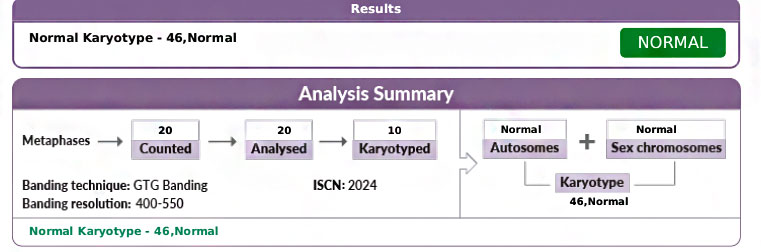
Confirmatory tests will be “invasive” involving removal of a sample from the placenta (in chorion villus sampling) or amniotic fluid (in amniocentesis) by introducing a needle through the mother’s abdomen into the uterus. These are done typically after a “high risk” result in one the above screening tests. The confirmatory tests will either confirm or refute the result of the screening test. In case the diagnostic test result is normal, the screening test result bears no significance and the pregnancy can continue. In case, the confirmatory test confirms the problem, further treatment of the same or termination of pregnancy might be considered depending on severity of condition diagnosed.
Dr. Ashwini Rathi is Director of Mumbai Fetal Medicine Centre, Irla Parimal society, Off Juhu lane. Andheri (W) and a consultant at Surya Mother and Child hospital, Santacruz.
For appointments please call – +91-8669227227.