

Nuchal Translucency (NT) Scan
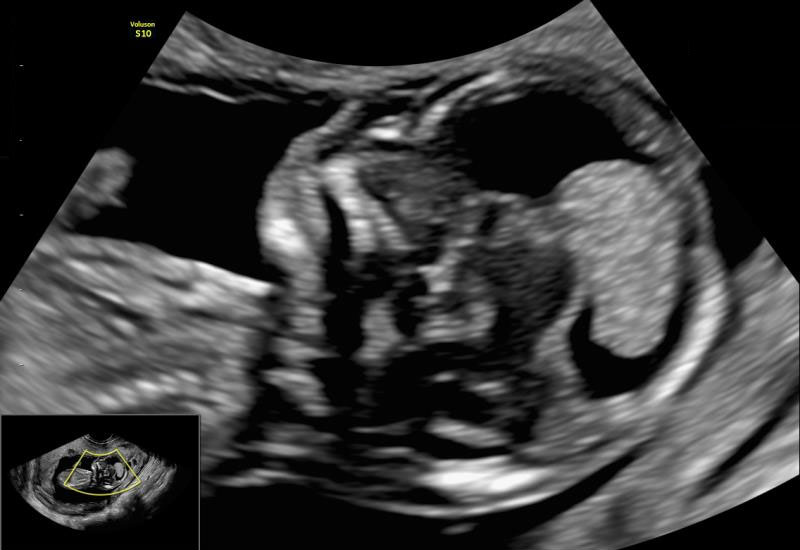
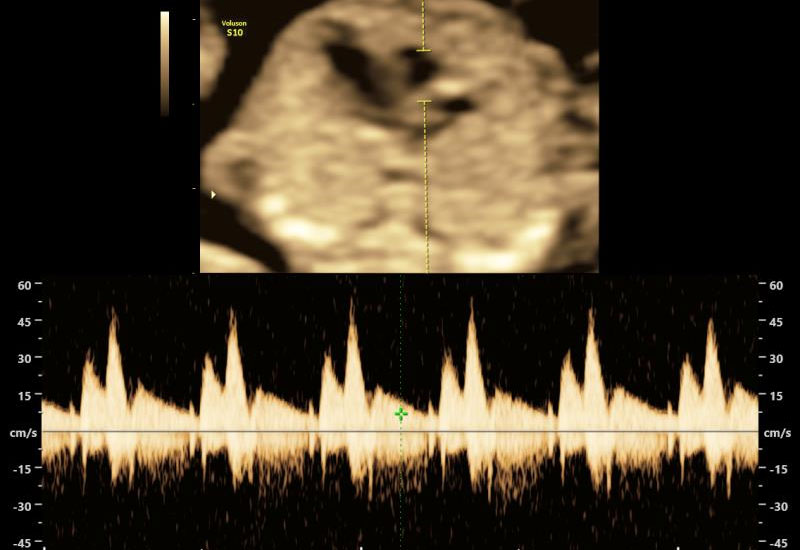
The Nuchal Translucency (NT) Scan is a specialized ultrasound performed in the first trimester of pregnancy to assess the risk of chromosomal abnormalities and certain structural conditions. This scan plays a crucial role in early fetal assessment and is conducted with high precision under the expertise of Dr. Ashwini Rathi, a certified Fetal Medicine Specialist.
What is a Nuchal Translucency Scan?
The NT scan measures the thickness of a fluid-filled space at the back of the baby’s neck. An increased measurement may be associated with chromosomal disorders such as Down syndrome (Trisomy 21), Trisomy 18, Trisomy 13, single gene abnormalities, genetic syndromes and certain heart defects.
When is the NT Scan performed?
The NT Scan is performed between 11 weeks to 13 weeks and 6 days of pregnancy, when the measurement is most accurate and clinically meaningful.
What does the NT Scan evaluate?
- Nuchal translucency thickness
- Presence or absence of the nasal bone
- Early assessment of major structural anomalies
- Fetal heart rate
- Confirmation of gestational age
- Number of fetuses and chorionicity in twins
How is the NT Scan performed?
The scan is performed abdominally and always require a transvaginal approach for optimal visualization. It is a highly specialized ultrasound that requires strict adherence to international FMF guidelines for accuracy.
The examination typically takes about 30–40 minutes.
Is the NT Scan safe?
Yes. The NT scan is completely safe for both mother and baby. Ultrasound uses sound waves and does not involve radiation. Dr. Ashwini Rathi follows strict ALARA safety principles to ensure maximum benefit with minimal exposure.
How is risk calculated?
The NT measurement is combined with:
- Mother’s age
- Nasal bone assessment
- Doppler studies (as indicated)
- Blood test markers (PAPP-A, free β-hCG & PLGF)
These factors together generate a personalized risk estimate for chromosomal abnormalities.
What do the results mean?
A low-risk result is reassuring but does not completely eliminate the possibility of abnormalities. A high-risk result does not confirm a problem but indicates the need for further diagnostic tests.
If required, diagnostic options such as CVS, amniocentesis, or advanced non-invasive testing (NIPT) may be discussed in detail.
What are the limitations of the NT Scan?
The NT Scan is a screening test and not a diagnostic test. It cannot confirm or rule out all genetic or structural conditions. Some abnormalities may only become apparent later in pregnancy during the anomaly scan.
Why choose Dr. Ashwini Rathi for your NT Scan?
- FMF-certified NT Scan expertise
- Internationally accepted screening protocols
- High-resolution ultrasound technology
- Accurate risk assessment and clear counseling
- Compassionate, patient-focused care
The NT Scan is a vital first step in ensuring a healthy pregnancy. With precise scanning, expert interpretation, and compassionate guidance, Dr. Ashwini Rathi provides you with clarity and confidence at this important stage of your journey.